Creating a cozy and functional home workspace is essential for anyone who works from home or spends a lot of time on personal projects. A well-designed space not only enhances productivity but also promotes comfort and reduces stress. Whether you have a dedicated room or just a small corner available, you can transform it into a workspace that inspires focus and well-being. Here are practical tips to help you create the perfect home office environment.
Choose the Right Location
The location of your home workspace sets the foundation for your productivity and comfort.
– Find a quiet spot: Choose a space away from household noise and foot traffic to minimize distractions.
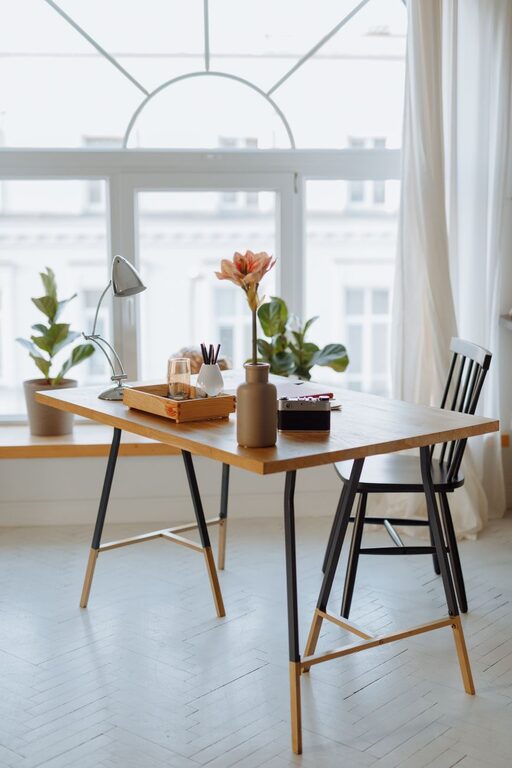
– Consider natural light: Position your desk near a window to take advantage of natural daylight, which can improve mood and reduce eye strain.
– Think about privacy: If possible, opt for a room with a door or use room dividers to create a separation between work and home life.
Invest in Comfortable Furniture
Comfort is key when spending long hours at your desk. Selecting the right furniture will help you maintain good posture and avoid discomfort.
– Ergonomic chair: Choose a chair with adjustable height, lumbar support, and armrests to support your back and shoulders.
– Spacious desk: Make sure your desk is large enough to hold your computer, paperwork, and other essentials without feeling cramped.
– Add a footrest: If your feet don’t comfortably touch the floor, use a footrest to support your legs and promote circulation.
Optimize Lighting
Proper lighting can boost productivity and prevent headaches and fatigue.
– Layer your lighting: Use a combination of ambient, task, and accent lighting to reduce glare and shadows.
– Task lighting: Position a desk lamp with adjustable brightness to illuminate your work area directly.
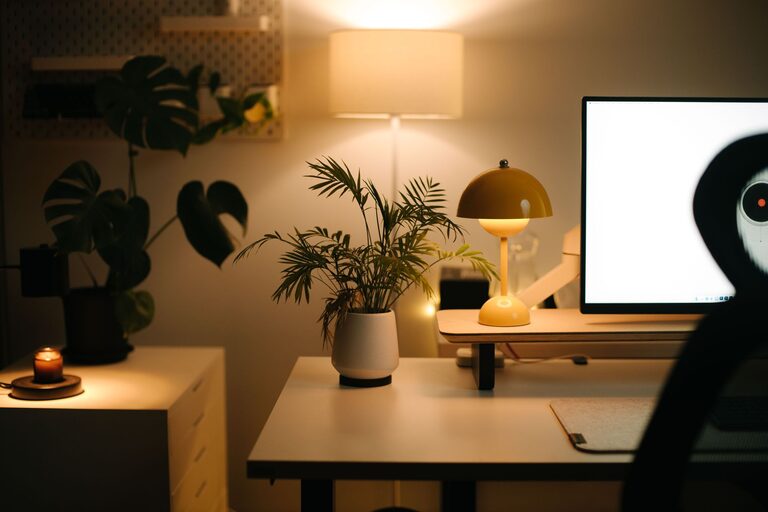
– Choose warm tones: Soft, warm light creates a cozy atmosphere, while cooler light may help keep you alert.
Organize Your Supplies
Keeping your supplies organized helps reduce clutter and keeps your workspace efficient.
– Use storage solutions: Invest in drawers, shelves, or filing cabinets to store documents and office supplies.
– Declutter regularly: Remove unnecessary items and paper piles to maintain a clean workspace.
– Keep essentials within reach: Store frequently used items close to your desk to avoid excessive movement.
Add Personal Touches
A workspace feels inviting and motivating when it reflects your personality.
– Incorporate plants: Adding greenery can improve air quality and add a calming presence.
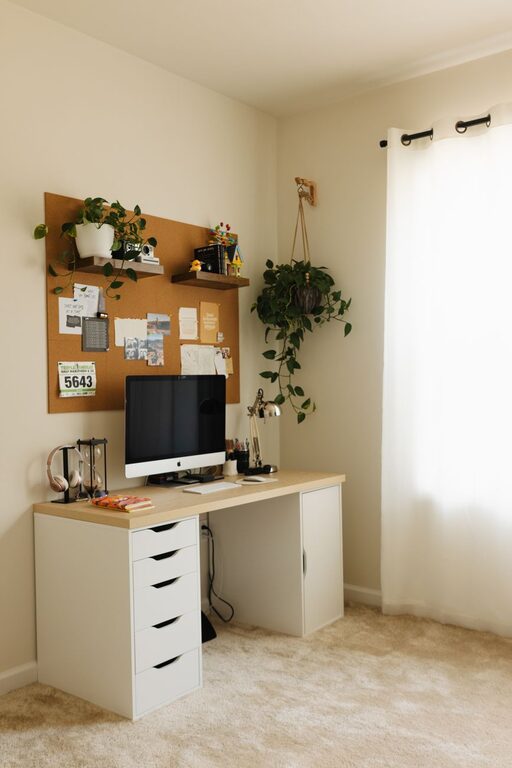
– Display inspiring items: Use artwork, photographs, or motivational quotes to personalize your space.
– Choose calming colors: Soft, neutral tones promote relaxation, while pops of color can spark creativity.
Manage Technology Efficiently
Technology is central to most work-from-home setups, but it can also create distractions if unmanaged.
– Cable management: Use clips, sleeves, or trays to keep cords tidy and prevent tangles.
– Use quality equipment: Invest in a reliable computer, keyboard, and mouse suited to your work needs.
– Limit screen glare: Position monitors to avoid reflections from windows or lights, and consider using an anti-glare screen.
Create a Routine and Boundaries
Even with a great setup, maintaining a routine is important to preserve your work-life balance.
– Set work hours: Define specific times for starting and ending your day to create structure.
– Take breaks: Stand up, stretch, and rest your eyes regularly to avoid fatigue.
– Communicate boundaries: Inform family members or housemates about your work schedule to reduce interruptions.
Consider Sound Control
Noise can be a major distraction, and controlling it will help maintain focus.
– Use noise-cancelling headphones: If you can’t control ambient noise, headphones can help you concentrate.
– Add soft furnishings: Rugs, curtains, and cushions can absorb sound and reduce echo.
– Play background music or white noise: Some people find gentle music or ambient noise helps boost concentration.
Maintain Comfort with Temperature and Air Quality
Your physical comfort affects how well you work at home.
– Ventilate properly: Open windows when possible or use an air purifier to keep the air fresh.
– Control temperature: Use fans, heaters, or air conditioning to keep your workspace at a comfortable temperature year-round.
– Stay hydrated: Keep a water bottle nearby to encourage regular hydration.
—
By thoughtfully designing your home workspace around these tips, you can create an environment that invites focus, supports your health, and feels welcoming. Remember, a cozy and functional workspace is not a luxury—it’s a valuable investment in your productivity and well-being. Start small, experiment with what works best for you, and enjoy the benefits of a space designed to help you thrive.