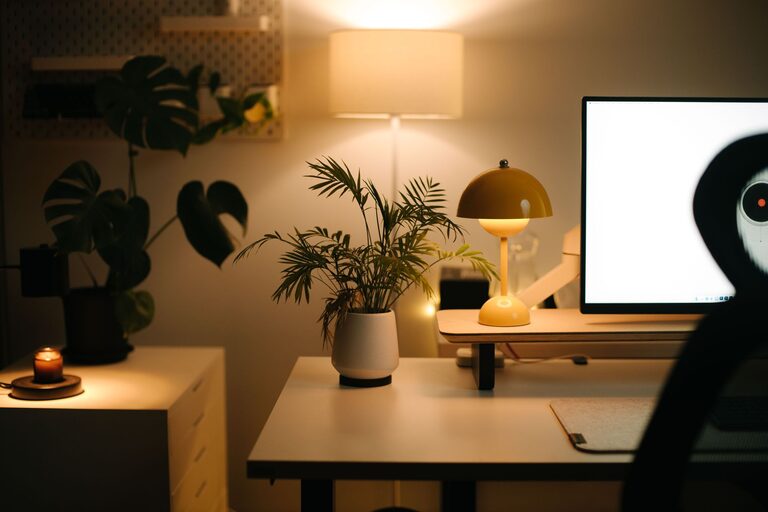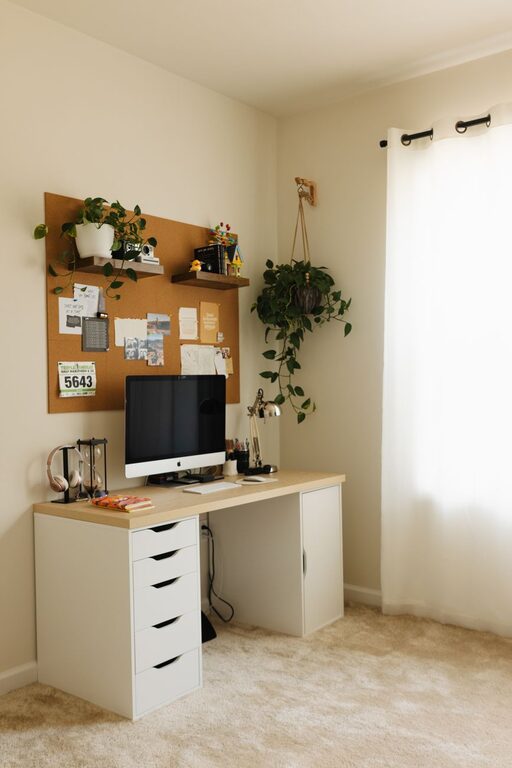
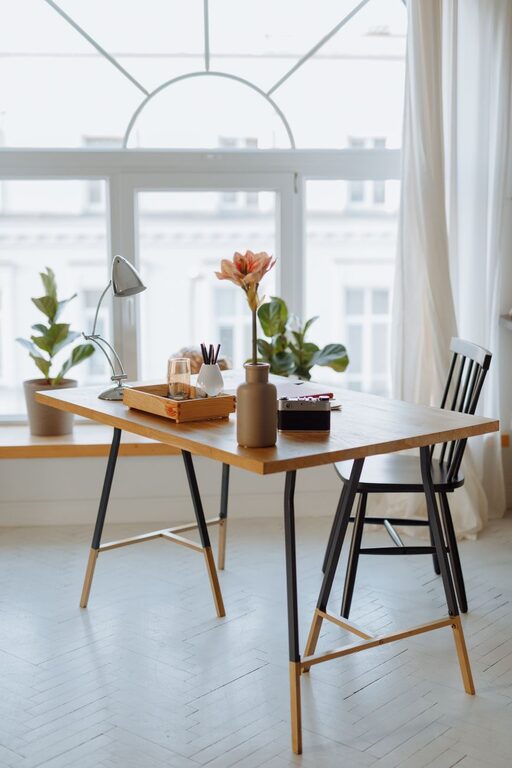
Creating a relaxing home workspace is essential for anyone who spends considerable time working from home. A comfortable, well-organized environment not only helps increase productivity but also reduces stress and enhances overall well-being. Whether you’re setting up a new office area or looking to revamp your existing space, these practical tips will guide you in creating a calming workspace tailored to your needs.
Why a Relaxing Workspace Matters
A dedicated workspace that feels inviting and stress-free encourages concentration and efficiency. When your environment supports relaxation, you can better manage work tasks without feeling overwhelmed. Plus, it helps establish a clear boundary between work and personal life, which is especially important in a home setting.
Choosing the Right Location
Find a Quiet Spot
Select a space in your home where noise and distractions are minimal. This could be a spare room, a corner in your living room, or even a section of your bedroom. The goal is to create a zone that signals work time and reduces interruptions.
Consider Natural Light
Natural light has a positive impact on mood and energy levels. When possible, position your desk near a window. If natural light is limited, use soft, warm artificial lighting to avoid eye strain and create a welcoming ambiance.
Comfortable and Functional Furniture
Invest in a Good Chair
An ergonomic chair with proper lumbar support is key for comfort during long work sessions. Adjustable features such as height and armrests help maintain good posture and prevent back pain.
Choose the Right Desk
Your desk should have enough surface area for your computer, office supplies, and any other essentials. Adjustable desks are great because you can alternate between sitting and standing, which benefits your health and focus.
Organize to Maximize Calm
Declutter Your Space
A clean desk leads to a clearer mind. Keep only what you need within arm’s reach and store other items elsewhere. Use trays, boxes, or drawers to organize documents and supplies.
Use Cable Management
Tidy cables reduce visual clutter and prevent distractions. Cable clips, sleeves, or under-desk trays are simple tools to keep wires neat and out of the way.
Personalize Thoughtfully
Add Plants
Indoor plants can improve air quality and add a touch of nature, making your workspace more inviting. Low-maintenance options like succulents or pothos are perfect for busy days.
Incorporate Calming Colors
Colors such as soft blues, greens, or neutrals tend to promote relaxation and focus. Consider painting your workspace walls or adding accessories in these calming shades.
Display Inspirational Items
Including photos, artwork, or meaningful objects can boost your mood and motivation. However, avoid overcrowding, so the space remains peaceful.
Minimize Distractions
Manage Noise Levels
If ambient noise is a problem, consider noise-canceling headphones or white noise machines. Playing gentle background music might also help you stay focused, depending on your preference.
Set Clear Boundaries
Communicate your work schedule to family or housemates to reduce interruptions. Using a “do not disturb” sign during important work times can be a helpful visual reminder.
Take Breaks and Move
Incorporate Movement
Standing up, stretching, or taking a short walk can refresh your mind and body. Set a timer to remind yourself to take regular breaks away from the desk.
Create a Relaxation Corner
If space allows, add a small chair or cushion nearby where you can step away to relax briefly. This change of scenery can improve mental clarity.
Keep Technology User-Friendly
Optimize Lighting for Screens
Position your computer screen to avoid glare from windows or lights. Proper lighting helps reduce eye strain during the day.
Ensure Reliable Connectivity
A strong internet connection helps reduce frustration and interruptions, allowing for a smoother work experience.
Final Thoughts
Creating a relaxing home workspace is about balancing comfort, organization, and personalization. By thoughtfully designing your work area with these tips, you’ll create an environment that supports your productivity and well-being. Remember, small changes can make a big difference in how you feel and work every day.