
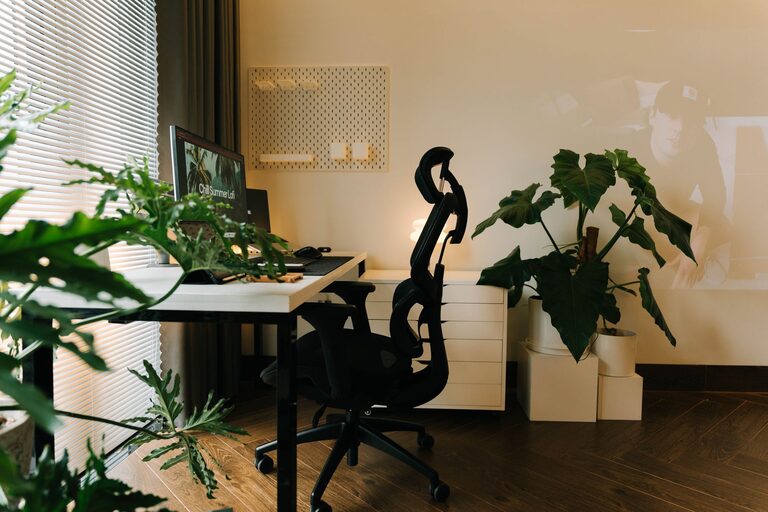
Creating a relaxing home office can make a significant difference in your daily work routine. Whether you’re working from home full-time or just need a dedicated spot for occasional tasks, having a calm and inviting workspace supports focus and reduces stress. Here are practical tips to help you design a home office space that combines comfort, organization, and tranquility.
Choose the Right Location
Your home office should be in a quiet area where you can focus with minimal distractions. Consider the following:
– Natural Light: Place your desk near a window if possible. Natural light improves mood and energy.
– Away from Noise: Select a room or corner that is far from high-traffic areas in your home.
– Space to Stretch: Make sure there’s enough room for your desk, chair, and some personal touches.
Invest in Comfortable Furniture
Comfort is key when you spend long hours working. Consider ergonomic furniture to maintain good posture and avoid discomfort.
– Ergonomic Chair: Choose a chair with adjustable height, lumbar support, and comfortable padding.
– Functional Desk: Select a desk with enough surface area for your computer, notebooks, and accessories.
– Footrest: A simple footrest can help improve circulation and reduce fatigue.
Use Calming Colors and Decor
The colors and decor in your office influence how you feel. Opt for soothing color palettes and uncluttered design.
– Soft Colors: Blues, greens, and neutrals tend to evoke calmness.
– Minimal Decor: Avoid overcrowding walls or shelves to keep the space peaceful.
– Incorporate Nature: Add plants to bring life and reduce stress.
Optimize Lighting
Proper lighting reduces eye strain and creates a pleasant atmosphere.
– Layer Lighting: Combine overhead lights with task lamps.
– Adjustable Lamps: A desk lamp with adjustable brightness helps during detailed work.
– Avoid Glare: Position your screen and lights to minimize reflections.
Organize and Declutter
A tidy workspace clears the mind and helps maintain focus.
– Storage Solutions: Use drawers, shelves, and organizers to keep supplies out of sight.
– Daily Clean-Up: Spend a few minutes at the end of each day decluttering your desk.
– Cable Management: Use clips or sleeves to keep cords organized.
Incorporate Personal Comforts
Small personal touches create a welcoming, relaxing environment.
– Comfort Items: A cozy throw blanket, cushions, or a small diffuser with calming scents can make a difference.
– Artwork: Choose calming or inspiring images that make you happy.
– Music Options: Prepare a playlist of soft background music that helps you concentrate.
Establish Boundaries
Separating work and personal life is important for relaxation.
– Dedicated Work Area: Avoid using your work desk for non-work activities.
– Set Work Hours: Stick to specific work hours to create routine and balance.
– Signal to Others: Use visual cues like closing the door during work time to reduce interruptions.
Maintain Good Air Quality
Fresh air contributes to overall wellbeing and helps keep you alert.
– Ventilation: Open windows regularly or use a fan to circulate air.
– Air Purifiers: Consider an air purifier if your home office is in a place with poor air quality.
– Plants: As mentioned earlier, plants can improve air quality naturally.
Take Breaks and Move
Even the best space can’t compensate for sitting too long.
– Scheduled Breaks: Set reminders to stand up and stretch regularly.
– Movement Space: Leave room for simple stretches or short walks inside your home.
– Ergonomic Accessories: Consider items like a standing desk converter or balance board.
Final Thoughts
Designing a relaxing home office is about creating a space tailored to your needs that supports focus and comfort. By balancing organization, comfort, and tranquility, you’ll foster a productive environment that feels inviting every day. Remember, the best workspace reflects your personal style while promoting wellness. Start with small changes and adjust as you discover what makes you feel at ease and ready to work.